
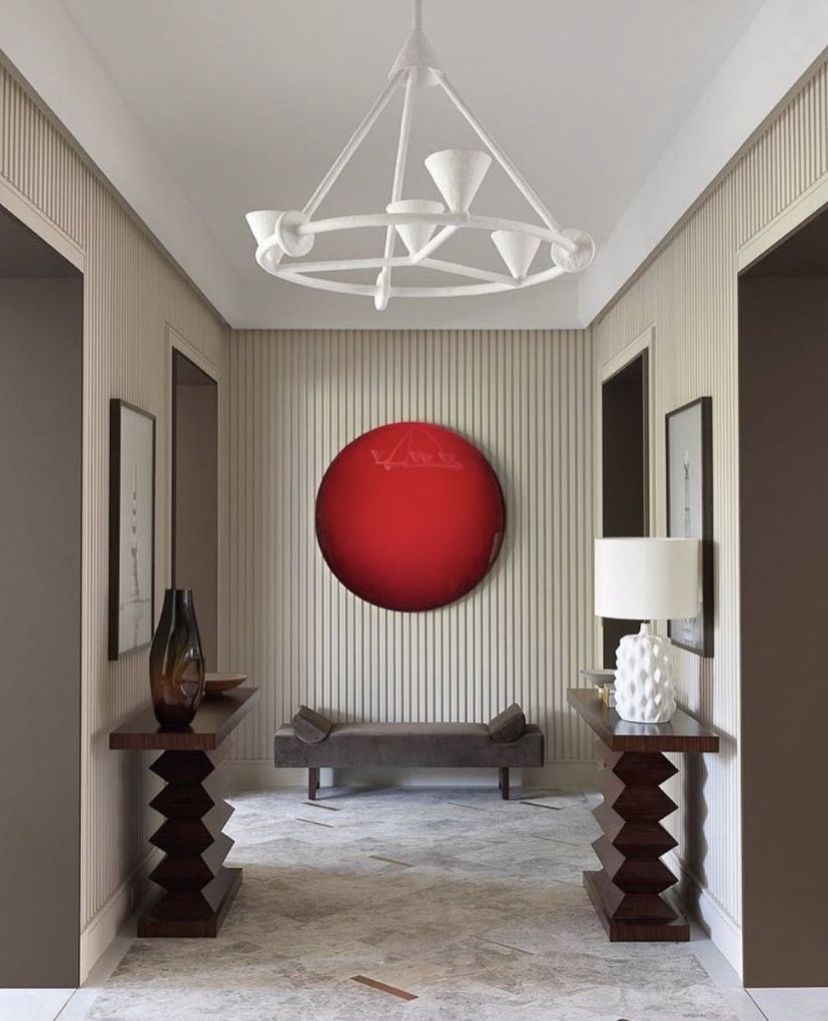
Your entrance hall is one of the most important spaces in your home — and one of the most frequently overlooked. You may devote enormous attention to your kitchen, your living room, your primary suite, or your outdoor entertaining spaces, yet the area that introduces your entire home often receives little more than a passing thought. That is a mistake worth avoiding!
Your entrance hall creates the first impression of your home long before anyone sees the dining room chandelier, the bespoke cabinetry, or the perfectly curated artwork collection. It sets the tone emotionally and aesthetically. Within moments, guests understand whether your home feels calm, dramatic, welcoming, architectural, intimate, or grand.
The same principle applies in business environments. A beautifully considered entrance communicates professionalism, confidence, and identity before a single word is spoken.
But exceptional entrance design is not simply about beauty. Function and practicality must shape the space just as much as aesthetics. Overlook this balance at your peril. There is no value in a spectacular hallway that fails to support daily life. You still need somewhere to hang a coat, place a bag, kick off shoes, or drop a set of keys. Great entrance design solves practical needs elegantly and almost invisibly.
When you approach your entrance hall thoughtfully, it becomes the thread that ties your entire home together — a coordinated welcome that quietly prepares people for everything that follows.
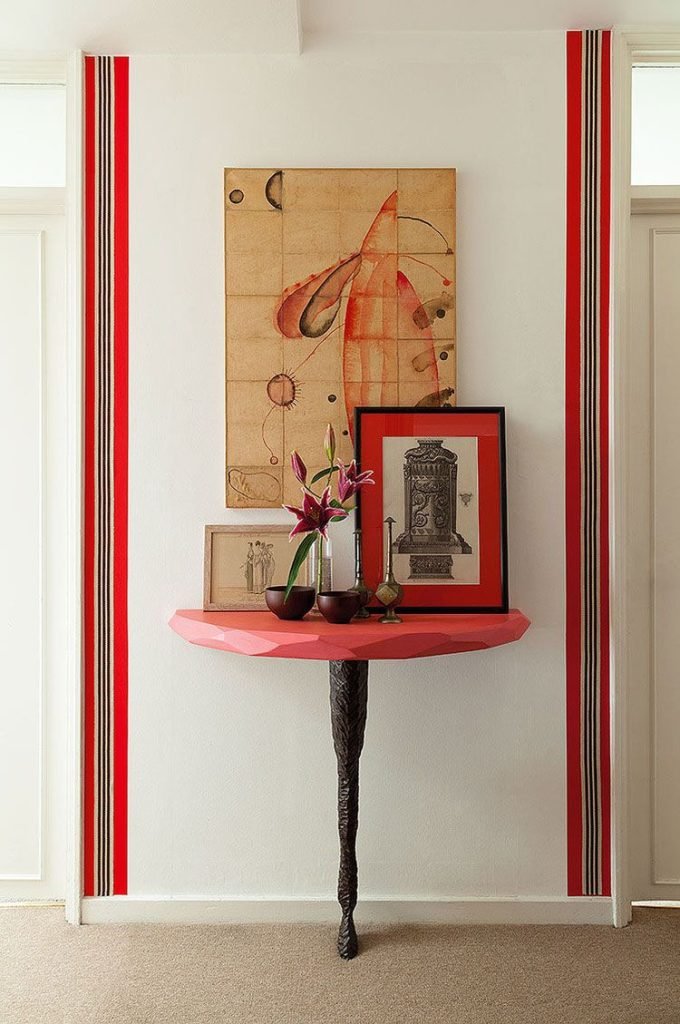
Begin With Flow and Function
Before you think about materials, lighting, or color palettes, you should first consider how the space works. Ask yourself a very simple question: what happens here every single day?
You might enter carrying shopping bags, sports equipment, umbrellas, dog leads, laptops, or luggage. Children may rush through with backpacks and shoes scattered behind them. Guests may need a place to pause comfortably while removing coats. Deliveries may arrive constantly. Every household has different rhythms, and your entrance hall should support them effortlessly.
The best interiors are never designed purely for photographs. They are designed for real life — beautifully.
Consider what your hallway links to. Does it connect directly to a formal entertaining area? Does it transition into an open-plan living space? Does it lead toward a staircase that becomes an architectural feature? Or is it a narrow transitional corridor designed simply to move people efficiently through the home? The answers matter enormously.
A compact entrance should encourage movement and clarity. You do not want bulky furniture interrupting circulation or decorative excess creating visual congestion. Instead, you want streamlined elegance, intelligent storage, and subtle visual cues that guide people naturally into the home.
A larger entrance hall, however, presents an entirely different opportunity. Here, you can create a sense of pause and arrival. Seating areas, sculptural lighting, statement tables, curated artwork, and layered materials can transform the space into an experience rather than merely a passageway.
Never Ignore Storage
One of the biggest mistakes people make when designing an entrance hall is underestimating storage requirements. Beauty is not clutter. True sophistication comes from calmness, ease, and order.
Even the most architecturally stunning hallway will quickly lose its impact if coats pile up over chairs or shoes collect untidily near the door. You should therefore integrate practical storage from the very beginning of the design process rather than treating it as an afterthought.
Custom millwork is often the most elegant solution. Bespoke cabinetry allows you to conceal functional necessities while maintaining a clean and cohesive visual language throughout the home. Seamless paneling can hide coat storage, shoe drawers, charging stations, and utility cupboards without disrupting the architecture of the space.
If you have the luxury of additional square footage, a secondary boot room or mudroom can be transformative. This is particularly valuable in country homes, ski properties, family residences, or houses with active outdoor lifestyles. Allow the practical mess of everyday life to happen slightly beyond the formal entrance, preserving the calm elegance of the main hallway itself.
The beauty of thoughtful design lies in making functionality feel effortless.
Use Lighting to Create Atmosphere
Lighting can completely transform the emotional experience of your entrance hall.
Too often, hallways are treated as purely functional zones illuminated with harsh overhead lighting. Yet this is the space where atmosphere should begin. You want your entrance to feel warm, inviting, and intentional from the very first moment.
Layered lighting is essential. Architectural lighting provides clarity and orientation, while decorative lighting introduces personality and softness. Wall sconces, concealed LED detailing, sculptural pendants, and carefully positioned table lamps all contribute to a richer and more sophisticated environment.
If your hallway has generous ceiling height, a dramatic pendant or chandelier can create an extraordinary focal point. In more contemporary interiors, you may prefer minimalist linear lighting that emphasizes architectural geometry and spatial rhythm.
Natural light should also be maximized wherever possible. Reflective finishes, mirrors, pale stone, polished plaster, and glazed internal doors can all help distribute light beautifully throughout the space.
Most importantly, lighting should feel intentional rather than accidental. A carefully illuminated hallway immediately communicates refinement.
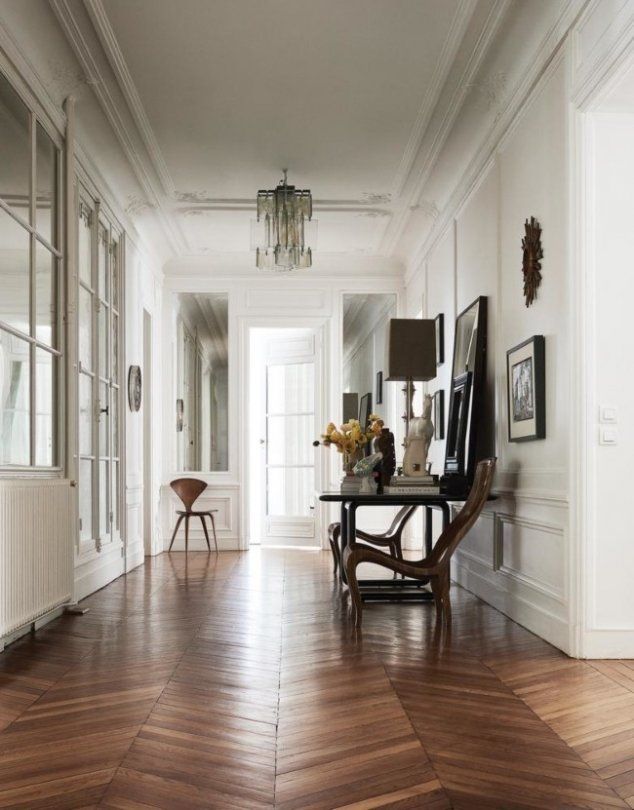
Think Carefully About Scale and Proportion
Entrance halls are uniquely sensitive to proportion. A grand hallway can feel cold and intimidating if the scale is handled poorly. Conversely, a small entrance can feel cramped and uncomfortable if overloaded with furniture or decorative detail.
You should always respond to the architecture rather than fighting against it.
In narrow spaces, simplicity is often your greatest ally. Slim console tables, vertical lighting, carefully positioned mirrors, and restrained palettes help elongate the space visually. Flooring can also subtly guide movement, drawing guests naturally into the home.
In larger entrance halls, scale becomes an opportunity for drama. Oversized artwork, sculptural furniture, bold stone flooring, or architectural staircases can create a magnificent sense of arrival. However, balance remains critical. Empty space itself is an important design element. Quality interiors rarely feel overcrowded.
The goal is always harmony between architecture, furnishing, and movement.
Let the Entance Hallway Connect the Entire Home
Your entrance hall should never feel disconnected from the rest of your home. Instead, it should act as a visual and emotional introduction to what follows. Think of it as the opening chapter of a beautifully written book.
The materials, tones, textures, and atmosphere established in the entrance should subtly prepare visitors for the spaces beyond. This does not mean every room must look identical. In fact, contrast often creates richness and depth. But there should always be a sense of continuity.
Perhaps the limestone flooring in the hallway reappears in the kitchen. Maybe the bronze detailing on the staircase echoes the hardware used throughout the home. A carefully repeated color palette or material finish can create a sophisticated sense of cohesion without feeling repetitive.
This is where interior architecture becomes particularly powerful. The most memorable homes feel composed and intentional from beginning to end.
Add Personality Through Detail
Practicality matters enormously, but your entrance hall should still feel personal.
This is your opportunity to create an emotional response immediately upon arrival.
Artwork is particularly effective in entrance spaces because it establishes character instantly. A single oversized painting or sculpture can create far more impact than excessive decorative styling. Fresh flowers, artisan ceramics, textured fabrics, or beautifully selected antiques can also soften the architecture and introduce warmth.
Scent should not be underestimated either. Subtle fragrance contributes enormously to the feeling of welcome. Likewise, acoustics matter more than many people realize. Soft furnishings, rugs, timber detailing, and textured surfaces can reduce harsh echoes and make a space feel calmer and more luxurious.
These details may seem small individually, but together they create atmosphere — and atmosphere is what people remember.
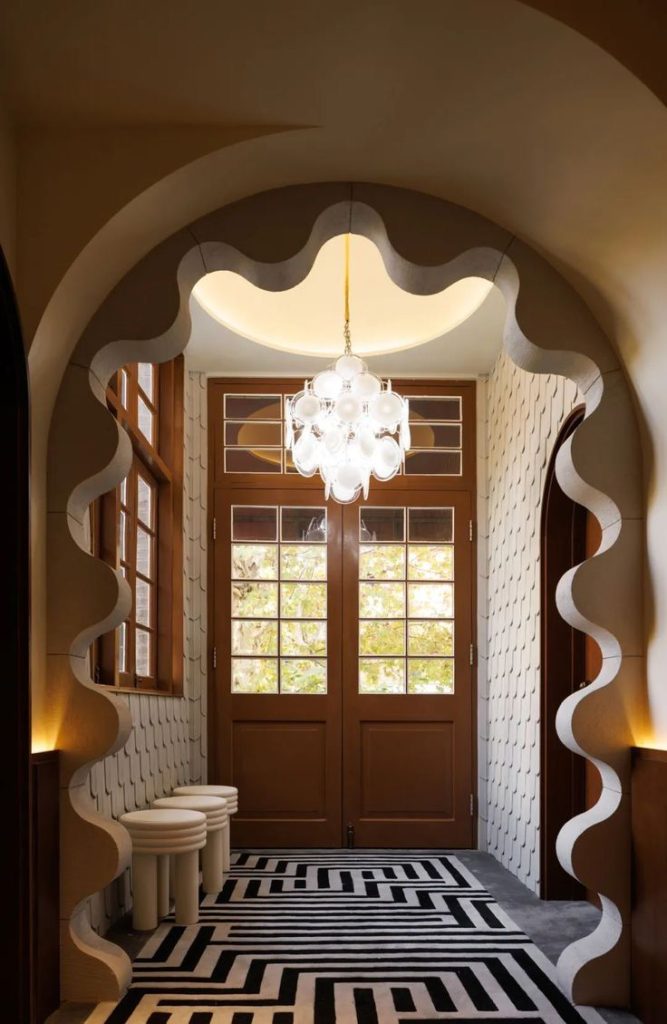
Consider the Emotional Experience of your Entrance Hall
Ultimately, great entrance design is about emotion as much as aesthetics. How do you want people to feel when they enter your home?
You may want serenity and calmness. You may prefer dramatic architectural impact. You may want warmth, intimacy, elegance, or quiet grandeur. Every design decision should support that emotional intention.
Your entrance hall is not simply a transitional space. It is the psychological threshold between the outside world and your private environment. When designed properly, it creates an immediate sense of belonging and comfort.
That emotional quality is what elevates and transforms an entrance hall from functional to unforgettable.
Never Underestimate the Power of First Impressions
The entrance hall may not be the largest room in your home, but it is one of the most influential spaces.
It shapes first impressions instantly. It establishes atmosphere, communicates taste, and introduces the design language of the entire property. Most importantly, it supports the practical realities of everyday life while still delivering beauty and elegance.
When you combine thoughtful flow, intelligent storage, refined lighting, balanced proportions, and cohesive design, your entrance hall becomes far more than a passageway. It becomes a statement of identity and intention.
Never underestimate the power of that first impression. In exceptional interior architecture, the experience begins the moment the door opens.
“An interior should be informed by the life that is lived in it.”
– Sandra Hinton, Founder –
