
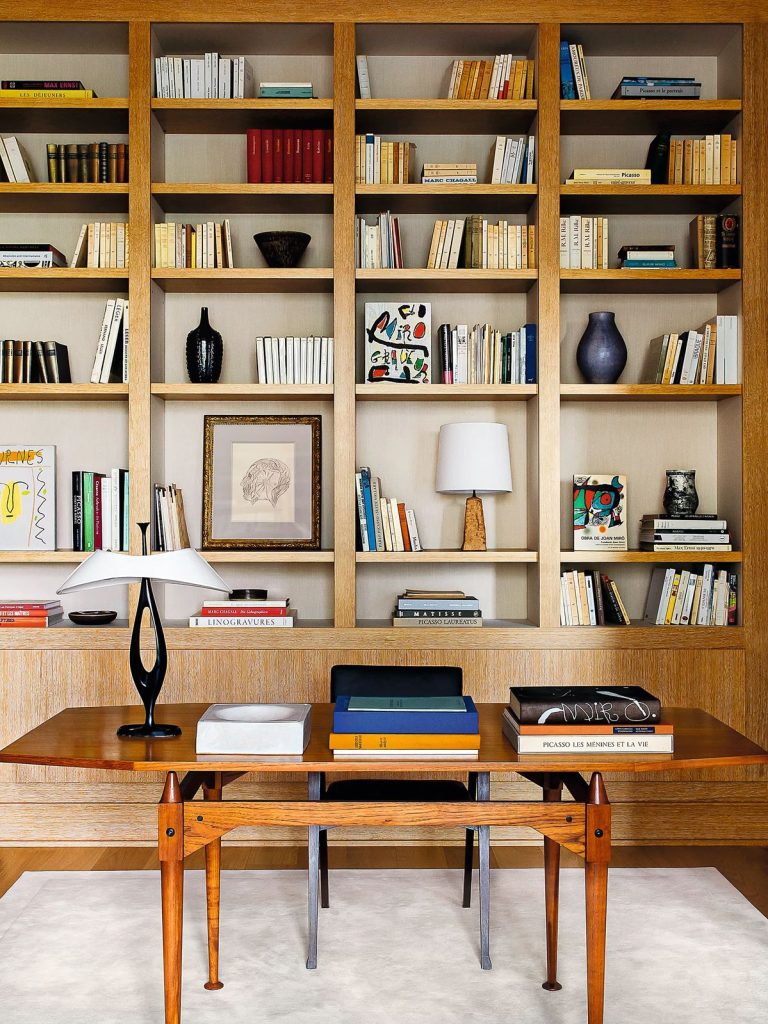
Whether you work from home every day, manage investments from a private study, or simply need a refined space to organize your affairs, your home office deserves the same level of attention as any other room in your home. Too often, however, these spaces become an afterthought – a desk squeezed into a spare bedroom or a collection of mismatched furniture that simply happens to accommodate a laptop.
A beautifully designed luxury home office should do far more than provide somewhere to work. It should support your productivity, encourage creativity, reduce stress, and reflect the quality and sophistication found throughout the rest of your home. When every element has been carefully considered, your home office becomes a space you genuinely enjoy spending time in rather than somewhere you simply have to work.
The secret is not choosing expensive furniture first or following the latest design trends. Like every successful interior design project, it begins with understanding exactly how you intend to use the space.
Plan Your Home Office Around the Way You Work
Before selecting furniture, finishes, or decorative features, ask yourself one simple question:
What is this room actually for?
The answer is often more nuanced than people initially expect.
Will this become your primary workplace, where you spend eight or more hours every day? Is it a peaceful home study for reading, writing, and reflection? Perhaps it is somewhere you occasionally answer emails, hold video meetings, or manage your family’s finances.
The way you use your home office should influence every design decision that follows.
A daily workspace requires exceptional ergonomics, generous storage, excellent lighting, and long-term comfort. An occasional office may place greater emphasis on aesthetics, flexibility, and allowing the room to perform multiple functions.
The mistake many homeowners make is designing around furniture rather than lifestyle. A magnificent executive desk is of little value if it doesn’t support the way you actually work. Instead, spend time observing your own habits. Think about what you use every day, what you only reach for occasionally, and what could comfortably be stored elsewhere. That clarity will make every subsequent design decision much easier.
Organize Your Workspace for Maximum Efficiency
One of the biggest lessons I’ve learned throughout my career as an interior architect is that convenience is often invisible when it works well.
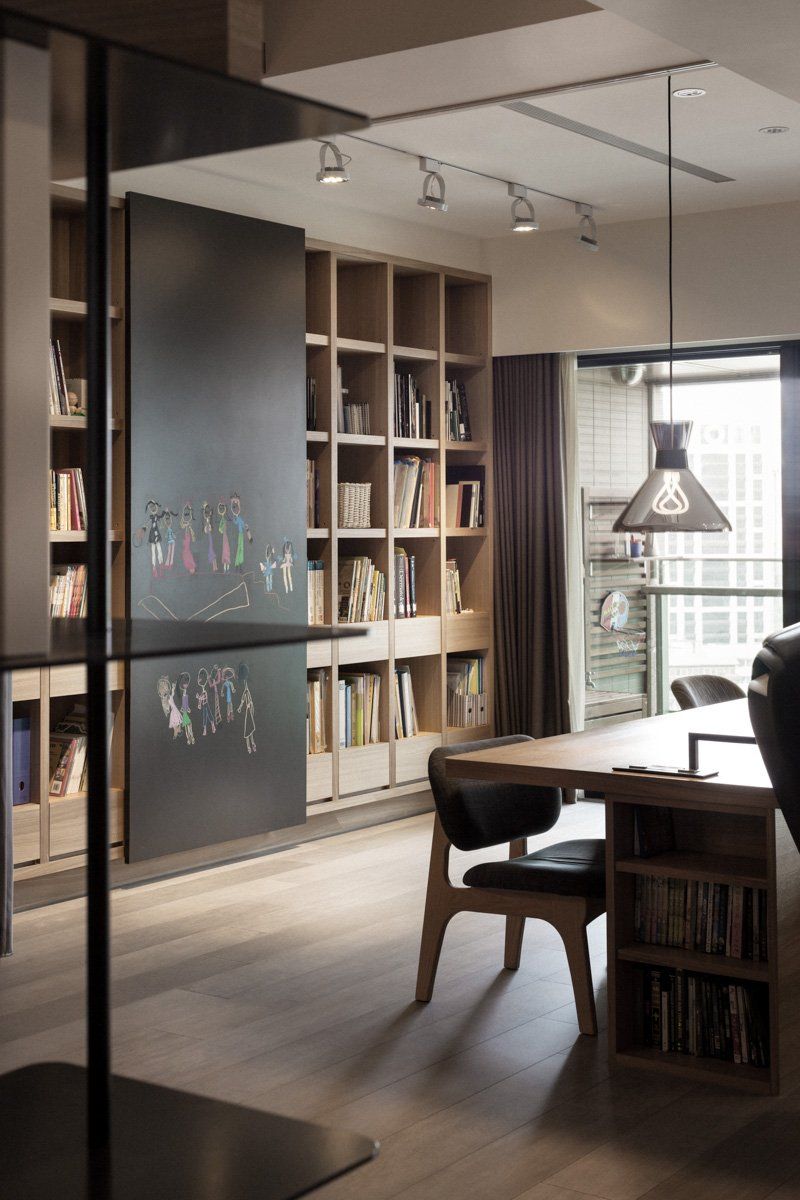
In my own office, I constantly reach for fabric swatches, stone samples, timber finishes, paint references, and large design books. Rather than storing them around the room, my bookcases and an enormous custom-built sample drawer sit within easy reach of my desk. That arrangement saves countless unnecessary journeys every single day.
Your profession will almost certainly demand something completely different. Perhaps you’re an attorney who needs immediate access to legal reference books. You may be a photographer with specialist equipment. You could be an entrepreneur juggling multiple monitors, notebooks, and presentation materials, or an investor reviewing financial reports throughout the day.
Whatever your profession, identify your daily essentials.
Store everything you use every day within arm’s reach. Weekly items can sit slightly further away, while archives and rarely used materials can occupy higher shelves or integrated cabinetry. This simple exercise transforms the functionality of a home office.
Excellent workspace design is rarely about adding more – it is about placing everything exactly where it belongs.
Design the Layout Before Buying Furniture
Many people purchase office furniture before properly planning the room. Unfortunately, this often results in awkward layouts, restricted movement, and furniture that never quite fits. Instead, approach the room like an architect.
Measure the space carefully and consider how you enter, move through, and occupy the room throughout the day. Imagine yourself arriving with coffee, sitting down to work, retrieving documents, welcoming guests, or moving between your desk and storage.
Can drawers open fully? Can you walk comfortably around the furniture? Does the room feel generous rather than crowded?
The most successful luxury interiors always feel effortless because movement has been considered long before the furniture arrives.
Position Your Desk for Comfort and Wellbeing
One of the most overlooked aspects of home office design is what you’ll actually be looking at. Many people simply place their desk wherever it physically fits. However, you’ll spend hours looking beyond your computer screen.
Positioning your chair with your back to the entrance door may appear to maximize floor space, but it rarely feels comfortable for extended periods. Equally, facing a blank wall throughout the day can become surprisingly draining.
Imagine yourself sitting in the completed room. Can you enjoy views across your garden? Is there artwork that inspires you? Will beautifully designed shelving become an attractive backdrop during video meetings?
Your surroundings have a profound influence on your mood, concentration, and creativity.
Sometimes moving a desk by only a few feet completely changes how the room feels.
Maximize Natural Light Throughout the Day
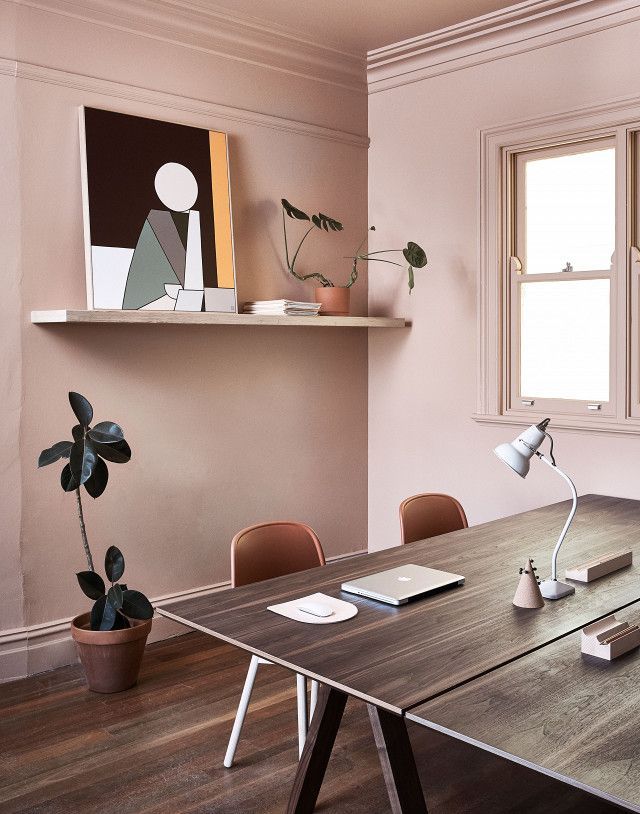
Natural light is one of the most valuable assets in any luxury home office. Position your desk to benefit from daylight while avoiding glare on computer screens.
Side lighting often creates the most comfortable working environment, allowing daylight to illuminate the room naturally. Large windows also provide an important psychological benefit by allowing your eyes to periodically focus on distant views, helping reduce fatigue during long working sessions.
If privacy is important, elegant sheers, Roman blinds, or bespoke window treatments can soften the sunlight without blocking it completely.
Natural light brings warmth, energy, and movement into your workspace throughout the day.
Layer Artificial Lighting for Productivity and Atmosphere
As daylight fades, carefully planned lighting becomes essential. Rather than relying on a single ceiling light, create multiple layers of illumination.
Ambient Lighting: General lighting provides comfortable overall illumination throughout the room.
Task Lighting: Desk lamps and directional lighting improve visibility while reducing eye strain during reading, writing, and computer work.
Accent Lighting: Feature lighting highlights artwork, shelving, architectural details, or carefully displayed collections while adding warmth and sophistication.
Together, these lighting layers allow your home office to transition effortlessly from productive workspace to elegant evening study.
Invest in High-Quality Office Furniture
Once the planning is complete, selecting furniture becomes much easier. Invest in beautifully crafted pieces that will last for decades.
A bespoke timber desk, luxurious leather chair, and custom cabinetry will not only elevate the appearance of your office but also improve your daily experience. Integrated storage deserves particular attention.
Bespoke joinery can conceal technology, organize paperwork, display books, and create a calm architectural aesthetic that freestanding furniture rarely achieves.
Luxury is seldom about excess. It is about craftsmanship, proportion, and attention to detail.
Integrate Technology Without Visual Clutter
The finest luxury home offices allow technology to disappear into the background. Monitors, charging stations, printers, speakers, and networking equipment remain essential, but they need not dominate the room.
Concealed cable management, integrated power outlets, wireless charging, and bespoke cabinetry keep everything accessible while maintaining a clean, uncluttered appearance.
The result is a workspace that feels calm, elegant, and effortlessly organized.
Complete Your Home Office with Beautiful Interior Design
Only once you understand how the room functions should you focus on style.
Whether your home reflects contemporary Swiss minimalism, timeless European elegance, or refined classical interiors, your office should feel like a natural extension of the rest of your home.
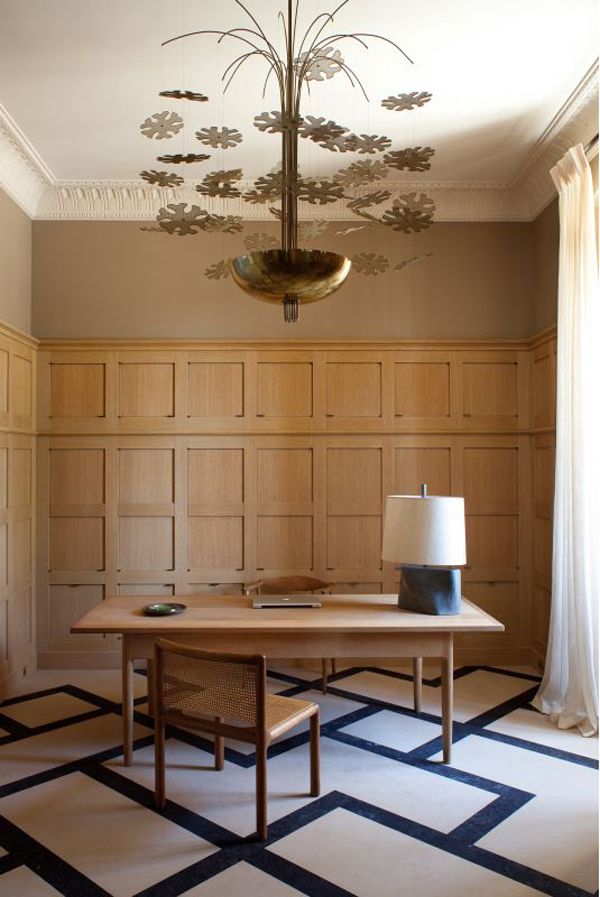
Choose materials that age beautifully, introduce rich textures, and display artwork or objects that genuinely inspire you. Beautiful books, handcrafted ceramics, sculpture, antiques, and carefully selected plants all add personality without creating unnecessary clutter.
The result is a room that feels every bit as luxurious as your living spaces while remaining exceptionally practical.
Conclusion
The perfect home office is never defined by its size or its budget. Instead, it is defined by intelligent planning.
When you begin by understanding how you work, organize the room around your daily routine, maximize natural light, invest in exceptional craftsmanship, and only then focus on aesthetics, you create far more than a workspace.
You create a beautifully designed luxury home office that supports your ambitions, enhances your productivity, and reflects the quality of your home for years to come.
Finally, I guess you might be wondering, am I writing this blog in a perfectly balanced designer space, full of calm, comfort and inspiration? No, I’m squashed on a bumpy airplane typing furiously while a baby cries several rows behind me. Because, when I get home, I want to spend time with my family – sometimes, the best home office is one where the door can stay shut until tomorrow!
“An interior should be informed by the life that is lived in it.”
– Sandra Hinton, Founder –
